If your love for your pet sometimes feels bigger than you can explain—if you dread being away, or feel scared by how much they mean to you—yes, that is normal.
Many people build part of their emotional life around a pet without fully realizing how deep the bond has become. A cat sleeping beside you, a dog waiting at the door, the quiet routine of feeding, comforting, noticing, and coming home to them every day—these things do not stay small for long. Over time, they become part of how you feel safe, steady, and emotionally at home.
As someone who lives in California with two cats, Joya and Coffee, I understand that kind of attachment very personally. I have always been introverted, and I often feel calmer and more honest at home with my cats than I do in most social spaces. Because of that, I do not see deep love for a pet as unusual at all. I see it as one of the most human forms of attachment we can have.
Why Love for a Pet Can Feel So Intense
Most people who ask this are not questioning the love itself. They are wondering whether the depth of it is somehow too much.
The answer is usually no.
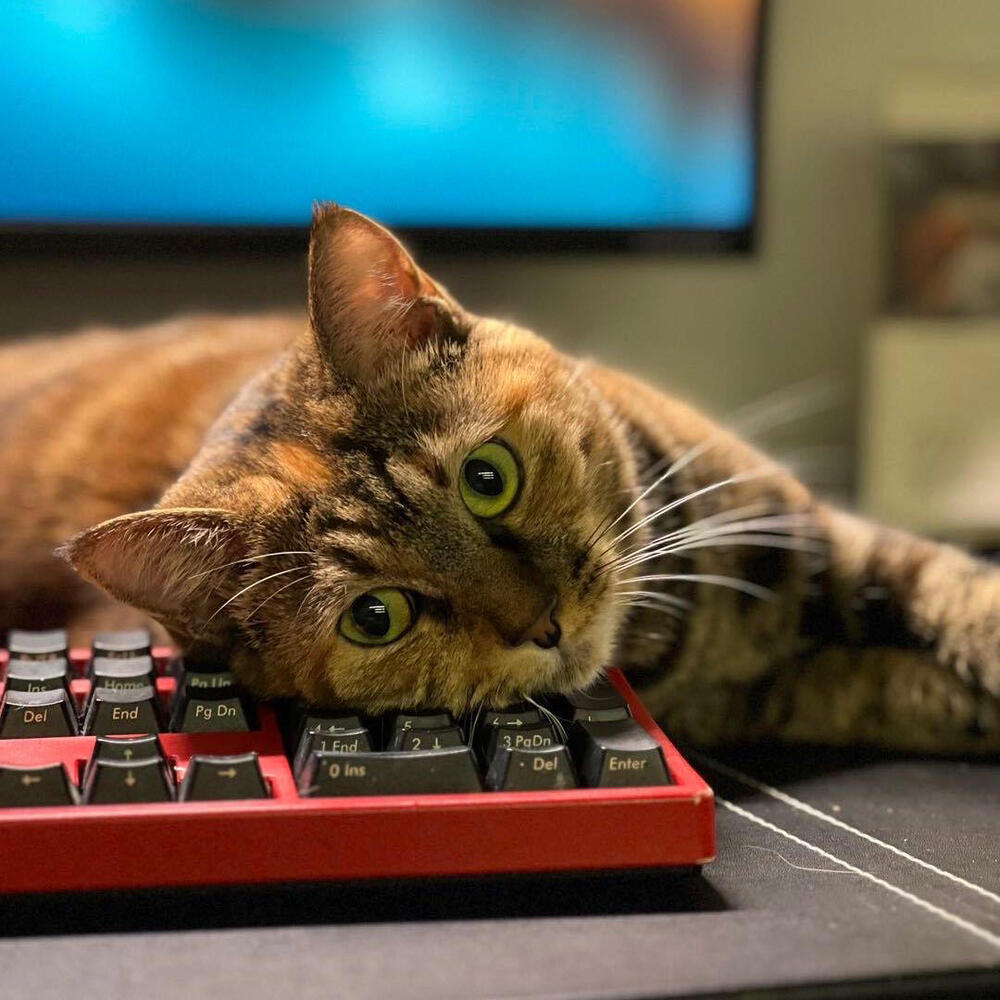
Pets become emotionally central because they enter the most repetitive and vulnerable parts of our lives. They are there in the morning before we speak. They are there when we come home tired, overwhelmed, lonely, or quiet. They do not need us to explain ourselves. They simply notice us, respond to us, and stay near us in ways that can feel incredibly grounding.
That is why love for a pet is rarely just affection. It is also routine, comfort, trust, physical closeness, and the feeling of being known without words. For many people, a pet becomes an emotional anchor—not because they replace human relationships, but because they offer a kind of constant presence that is hard to find elsewhere. If that is part of what makes pet loss feel so overwhelming, I also wrote more about why losing a pet hurts so much.
When Love Starts to Feel Frightening
A lot of people do not just love their pets deeply. They also become afraid of that love.
They lie beside their cat and suddenly imagine life without her. They leave for one night and feel guilty the whole time. They think about old age, illness, or death long before any of those things are near. What they are experiencing is often anticipatory grief—the pain of imagining a future loss before it has happened.
This can make love feel almost overwhelming. But it does not mean the bond is unhealthy. In most cases, it simply means the relationship matters enough that your mind already understands what its absence would do. For anyone already frightened by that future, this piece on learning to live again after losing a beloved pet may also feel familiar.
My Own Experience With This Kind of Bond
I have never believed that cats are distant in the way people sometimes say they are. I think cats simply make people earn intimacy more slowly.
That is part of what makes the bond so powerful.
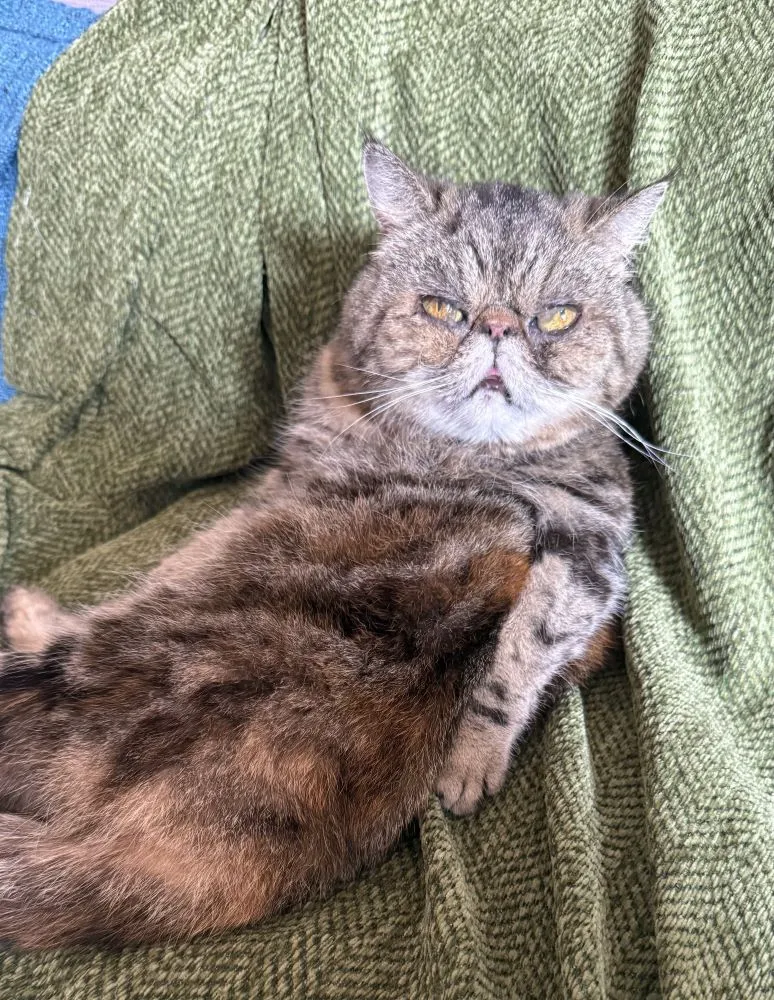
Coffee, one of my cats, is not affectionate in the usual sense. She does not like being held, avoids kisses, and often looks mildly annoyed. But when something is wrong with me, she comes close. She taps my face with her paw, presses against me, and stays there quietly until I settle.
Moments like that are hard to explain to people who have never loved an animal this deeply.
I have also heard from readers who describe this kind of love with a level of honesty that stays with me. One woman told me about the stray tabby she brought home years ago. At first, the cat was all teeth, claws, and distrust. Her skin was constantly scratched. Friends told her she was tolerating too much. But she stayed patient.
About a year later, the cat began to change. She stopped hissing. She stopped lashing out. She started sleeping beside her, following her around the house, greeting her at the door, and becoming low and unsettled whenever they were apart for more than a day. She even slept on her owner’s pink pajamas when she was gone.
What struck me most was not just how much the cat changed, but how deeply the owner changed too. She said she never expected her love to come back with that much force. The warmth, trust, and devotion she received in return made her feel more attached than she had ever imagined possible.
I understand that. When love has been built slowly—through patience, routine, and mutual trust—it can become almost frightening in its intensity.
What Other People Quietly Admit
Once people feel safe enough to speak honestly, they often admit that their attachment is much deeper than they usually say out loud.
Lin told me that her first cat lived to almost twenty. He bit people, hated being held, had a terrible temper, and caused chaos around the house for years. And yet her whole family adored him. He was difficult, proud, and completely himself—and he was loved for all of it.
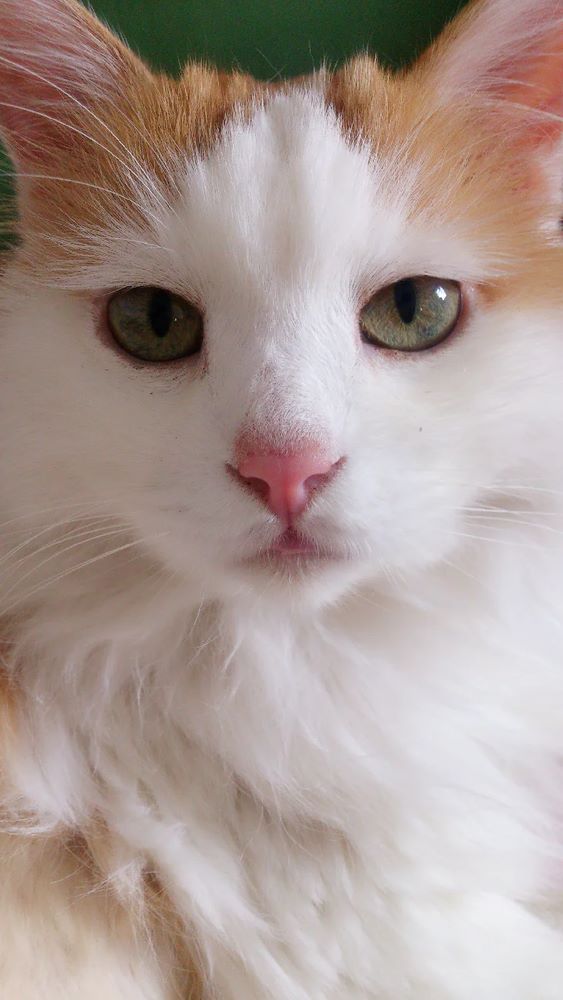
Stories like that matter because they remind us that love for a pet is not built on convenience. Sometimes we love them not because they are easy, but because they are unmistakably themselves.
Mia once joked that when she leans in to kiss her cat’s head, she starts salivating the way people do when they see a lemon. It sounded funny at first, but I understood exactly what she meant: sometimes love becomes so physical and automatic that the body reacts before language does.
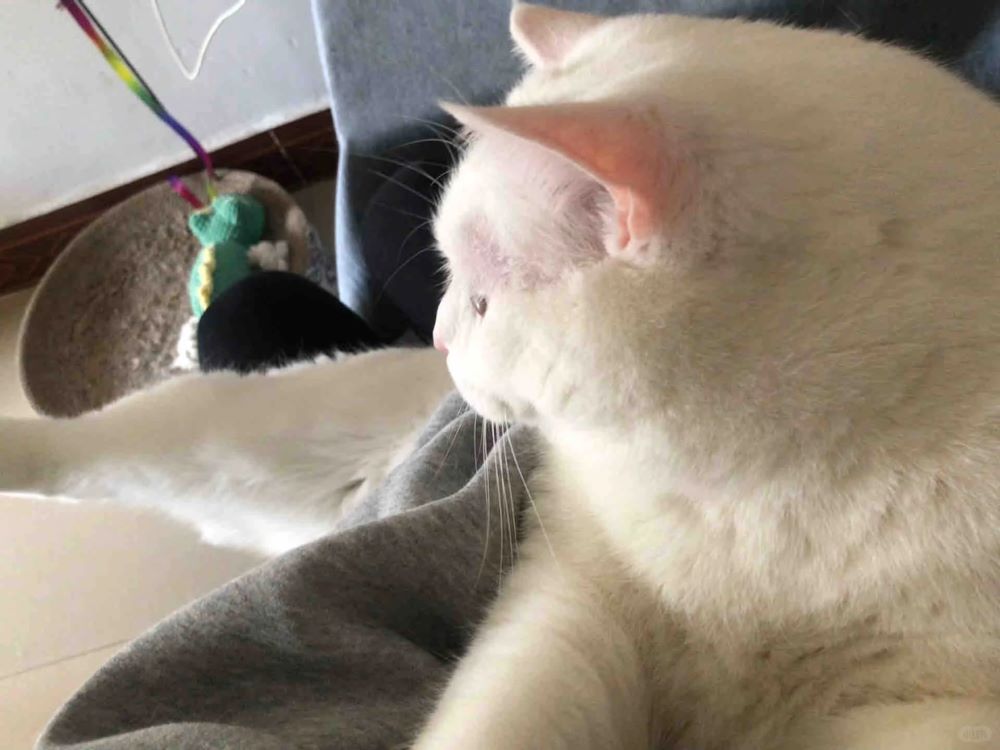
Sophie told me she has not really traveled in years. If she is away from her cat for more than one night, her own stress response is worse than the cat’s. That may sound excessive to some people, but I think many pet owners quietly understand it.
Claire said she is not only afraid that her pet will die first. She is afraid that she herself may have twenty more years to live afterward—and she does not know how she is supposed to carry that absence for so long. She is also afraid of forgetting, even a little.
That last fear is one I hear often. People are not only afraid of losing their pet. They are afraid of surviving the loss and slowly remembering less.
Does Loving a Pet This Much Mean You’re Too Dependent?
Not necessarily.
A deep bond with a pet does not automatically mean something is wrong. It becomes a concern only when it completely prevents you from functioning, maintaining any outside life, or caring for yourself over time. But loving your pet intensely, feeling distressed when you are apart, or being frightened by the idea of losing them is not unusual at all.
For many people, a pet becomes part of the emotional structure of home. They are not just “there.” They shape the rhythm of the day. They make a room feel inhabited. They become part of the version of you that exists when no performance is required.
That kind of attachment is still a real relationship. It still matters. And it deserves to be treated with seriousness rather than embarrassment.
Why the Fear of Losing Them Feels So Large
The fear is not only about death. It is about rupture.
When people imagine losing a pet, they are not just imagining grief in the abstract. They are imagining what daily life will feel like when something central is suddenly gone.
No sound at the door.
No weight on the bed.
No familiar face waiting in the same spot.
No small body to feed, notice, protect, or come home to.
That is why pet grief can feel so enormous. To the outside world, it may look like one loss. But inside the relationship, it feels like the loss of an entire emotional rhythm.
And if it is your first pet, or the one who slowly learned to trust you, or the one who loved you back in a way that changed your life, that fear can feel even heavier. Some bonds do not just accompany a period of life. They shape it. Some bonds do not just accompany a period of life. They shape it—and that is part of why losing a pet after many years together can feel so overwhelming.
How to Live With This Love Without Letting Fear Take Over
I do not think the answer is to love less. I think the answer is to make room for the fear without letting it steal the present.
Name the bond honestly
You do not have to minimize it by saying, “She’s just a cat,” or “I know this sounds silly.” If this relationship is central to your life, it is better to say that plainly. Love usually becomes easier to carry when shame is removed from it.
Recognize anticipatory grief when it shows up
If you find yourself panicking about future loss while your pet is healthy and asleep beside you, gently name what is happening. You are not being dramatic. You are feeling love and fear at the same time.
Create memory while they are still here
Take ordinary photos, not just beautiful ones. Write down the habits you never want to forget. Save the details that make your pet feel uniquely like themselves. Many people fear not only loss, but fading memory. Intentional remembering can soften that fear.
Let yourself have a life outside the bond
Loving your pet deeply does not mean you have to shrink your world in advance. It is possible to step away for a short time, come back, and still love them with your whole heart. A deep attachment does not have to become a prison in order to be real.
You Are Not Strange for Feeling This Way
If you have ever thought, I love my pet so much it scares me, I do not think that means your love is excessive.
I think it means the relationship has become profound enough to change you.
You fed her.
You waited for her to trust you.
You learned her moods.
You built routines around each other.
You became part of each other’s nervous system.
Of course the love is big.
Of course the fear is big too.
The goal is not to make that love smaller so it feels easier to explain. The goal is to hold it with less shame and more tenderness while your pet is still here. And if you are looking for gentle words that can hold some of these feelings, these pet memorial poems may help.
And yes—painfully, beautifully—that is normal.
More Ways to Remember Your Pet
Also explore: Home | Pet Memorial Guide | Pet Loss Support