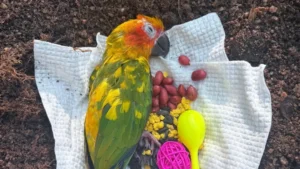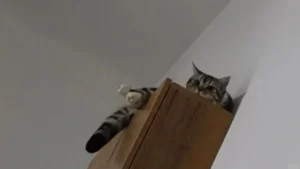
I didn’t think that a picture of my cat Joya would bring her back in such a calm, strong way after she died.
I had been scouring through my phone for weeks for the picture that showed her best. It wasn’t the best shot, but it was the one where she was squinting at the sun as she always did. When that picture was ultimately printed on a smooth piece of stone, something changed. It changed from a picture to a presence.
A photo memorial stone isn’t simply a way to see their face again; it’s a way to make memories more real. Paper fades, phone screens break, but stone stays quiet. The picture doesn’t just sit there; it grows with you over time. When I’m watering the garden, I sometimes chat to it, and it feels natural, like she’s still watching from her favourite spot.
We take pictures to remember. But when that picture is carved or cemented into stone, remembering becomes something more: it becomes staying.
What Exactly Is a Photo Memorial Stone?
The first time I ordered what was labeled a “photo memorial stone,” I thought I was getting something permanent — a keepsake that would outlast the seasons. What arrived, though, was just a printed sticker sealed onto resin. It looked beautiful for two weeks, until a light rain washed the image into a blur. That was when I started learning the difference between a picture of a stone and a photo made for stone.
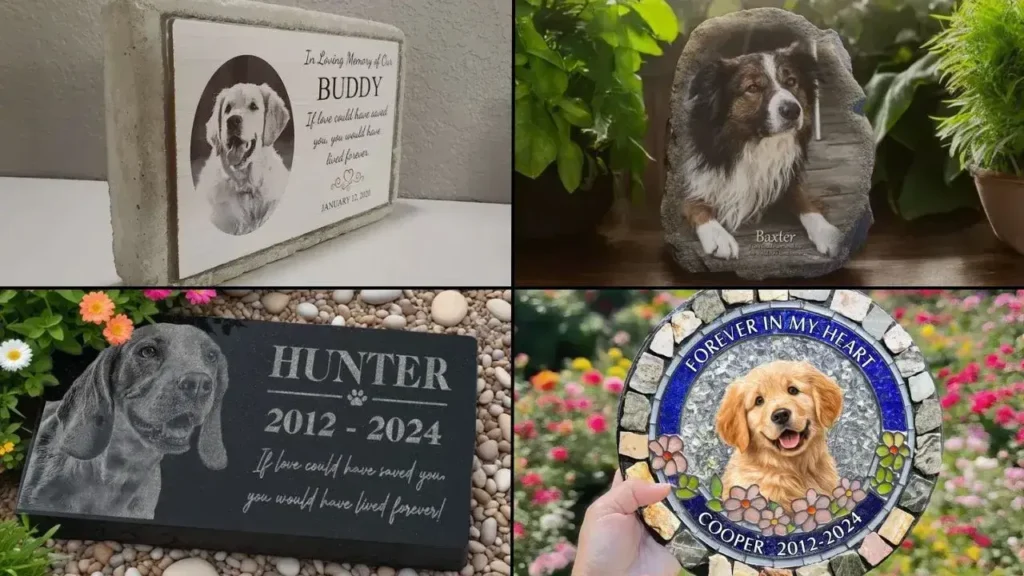
A true photo memorial stone uses your pet’s image either etched directly into the surface with a laser or printed beneath a protective layer of resin or ceramic glaze. The goal isn’t just decoration; it’s preservation. The photo becomes part of the material itself — not something sitting on top of it. You can run your fingers across it and feel where light meets texture, where memory meets matter.
So when I talk about “photo stones,” I don’t mean glossy garden plaques that fade in a season. I mean the kind that can sit quietly through sun and frost, still holding the same eyes, the same fur, the same warmth years later. That’s when a photograph stops being fragile — when it learns to live inside stone.
Printing & Engraving Methods Compared
When I first started looking for photo memorial stones, every listing claimed to offer “durable, high-quality engraving.”
But the truth? Not all methods are made equal — some look amazing at first, then fade faster than you expect.
After trying a few myself (and replacing one after a year in the rain), here’s what I’ve learned about the most common techniques:
| Method | Look & Feel | Durability | My Experience |
|---|---|---|---|
| UV Printed | Full-color and glossy, captures every shade and fur detail. | 🌤️ Fades within 1–2 years outdoors, especially under strong sunlight. | Looked stunning at first, but by the next summer, the color had lost its warmth. Best kept indoors. |
| Laser Etched | Monochrome, subtle contrast — elegant and timeless. | ☀️ Lasts decades on granite or slate with no fading. | My granite stone is still crisp after three winters. The photo looks softer but feels alive in a quiet way. |
| Resin-Sealed Print | Photo sealed under a clear resin dome, bright and dimensional. | 💧 Water-resistant but may yellow or bubble over time. | Survived rain well but started to yellow slightly after two years. Perfect for shaded patios. |
| Ceramic Inlay | Smooth, glazed tile with embedded image; museum-like finish. | 🔥 Extremely durable — resistant to UV, frost, and moisture. | Most expensive option I tried, but it’s flawless even after storms. Worth it if permanence matters most. |
Each method has its charm, but what truly lasts isn’t just the print — it’s the way the image becomes part of the stone itself. A good memorial shouldn’t need touch-ups or filters. It should quietly stand there, year after year, saying the same thing: You were loved. You still are.
💬 Editor’s Note – Lena Chen
Common Pitfalls to Avoid
I wish someone had warned me before I made my first few memorial stone purchases. Losing a pet already hurts — getting a disappointing tribute on top of that feels cruel. These are the things I learned the hard way, and maybe sharing them here will spare you the same heartache.
| Pitfall | What Happens | What to Do Instead |
|---|---|---|
| Uploading a low-resolution photo | It looks fine on your phone, but once enlarged on stone, the image turns grainy or blurry. | Use the original photo file — at least 300dpi — even if you have to dig through old backups. |
| Choosing shiny black granite | It reflects sunlight so harshly that you can’t actually see your pet’s face outdoors. | Pick a matte or lightly polished surface; it shows the photo more gently under natural light. |
| Skipping color proofing | The final print looks darker or more blue than expected — fur tones often shift under UV ink. | Ask the seller for a digital preview; adjust brightness slightly before approving. |
| Overloading the design with text | The stone looks cluttered, and the photo loses focus — too much text competes with the face. | Keep it to name, dates, and one short phrase — let the image speak for itself. |
| Buying from unverified sellers | Cheap listings may use stickers or UV film that peel after one season. | Check for real engraving photos and customer reviews before ordering. |
Every mistake on this list carries a small story behind it — a late-night order made out of grief, a moment of impatience, a photo chosen too quickly. If there’s one thing I’ve learned, it’s that good memorials aren’t rushed. Take your time, choose carefully, and you’ll end up with something that feels like peace, not regret.
💬 Editor’s Note – Lena Chen
Design Choices That Carry Emotion
I learnt that beauty in memorials isn’t about being perfect; it’s about holding back when I designed Joya’s stone. Every single thing you do has some emotion in it, even if you don’t mean to. The font, the background, and the way the light hits the photo at dusk all convey the tale of how much you loved them.
Pick a picture of your pet doing something they always do if you have to choose one. Still portraits can seem far away, yet a captured habit, like tilting the head or raising the paw halfway, gives the stone life. That little flaw is what makes the memory so special.
Keep the text short. I used to believe I needed a quote, but then I realised that her name spoke it all. Those four letters shine brighter than any poem I could have penned when the sun hits them.
And think about where things will go as part of the design. A darker stone in the shade seems calm, whereas a lighter granite in the sun feels hopeful. The area around the picture is just as important as the picture itself. Sometimes, the stone’s stillness speaks louder than words.
Editor’s Picks: Best Photo Memorial Stones
UV Printed Slate Stone with Stand


Laser-Etched Black Granite Stone


Concrete-Sealed Concrete Photo Block


Natural Rock Photo Print (Matte Finish)

Hand-Painted Granite Stone Portrait


Stone with Photo Insert & Painted Details


Mosaic Round Photo Stone
FAQ
It depends on how the image was made. My UV-printed stone started fading after two summers, but the laser-etched one I replaced it with still looks new three years later. If you want something that can handle weather and time, go for granite or ceramic inlay — they age gracefully instead of disappearing.
Yes, but color needs protection. UV or resin printing can capture fur tones beautifully, though sunlight will eventually dull them. I keep my color piece indoors and use a black-and-white engraving outdoors — it feels classic, and somehow more peaceful.
Choose something with clear contrast and emotion, not just perfect lighting. I learned that slightly imperfect photos — the ones with motion or crooked smiles — translate best. They carry life, not just likeness.
Clean gently with a soft cloth and mild soap; never use chemicals or alcohol wipes. For resin-sealed prints, avoid constant sunlight — mine stays under a maple tree where it catches the morning light but stays shaded most of the day.
You can, but less is almost always more. A name and a date, maybe one line that means something only to you. I once tried adding a long poem, but it made the stone feel crowded — when I reordered it with just “Joya, forever loved,” it finally felt right.
Think about where it will live. Small (6–8 inch) stones suit indoor altars or shelves, while outdoor memorials look balanced around 10–12 inches wide. The goal isn’t to fill space — it’s to fit the memory into it.