If you keep replaying your pet’s final days in your mind, you are not alone.
Maybe you keep wondering whether you missed a sign. Maybe you ask yourself if you should have noticed something earlier, taken them to the vet sooner, stayed home more, or spent more time beside them. Maybe your mind keeps circling around the same painful questions: If I had acted earlier, would things have ended differently? Could I have saved them? Did I fail them somehow?
But here is something I hope you can hold onto today: you probably did much more than your grief is allowing you to see.
You gave your pet a life filled with love, care, routine, and safety. Now that they are gone, it can feel as if they have become the missing piece in the rest of your life. That emptiness is so sharp that it often turns into self-blame. You start looking for a reason, a mistake, a moment you could have changed.
But your pet did not spend their life measuring you against impossible standards.
In their eyes, you were the person they trusted most. You were the one who fed them, comforted them, carried them, spoke to them, and loved them through ordinary days and difficult ones. They remember your voice, your hands, your presence, your warmth. If they could speak to you now, I do not believe they would say, “You should have done more.” I think they would say, “You loved me, and I knew it.”
Their death is not proof that you failed them. Sometimes life cannot be controlled as completely as love wishes it could be.
Why Guilt After Pet Loss Feels So Strong
Guilt is one of the most common parts of pet grief. If your grief feels heavier than you expected, it may help to understand why losing a pet hurts so much.
When we lose a pet, love often turns into “if only.”
If only I had noticed sooner.
If only I had chosen a different treatment.
If only I had one more week, one more day, one more chance.
This happens because grief does not like helplessness. The mind would often rather believe, I made a mistake, than accept the much harder truth that some losses happen even when we are loving, attentive, and doing our best.
In that sense, guilt is often grief trying to create control where there was none.
That does not make the feeling small or easy. It can be overwhelming. But it does mean this: feeling guilty does not automatically mean you are actually to blame.
Please Don’t Punish Yourself Forever
You may still hear their sound in your mind. You may still dream that they came back. You may still look toward the door, or leave part of the bed untouched, or feel a jolt in your chest when you hear an animal outside that sounds a little like them.
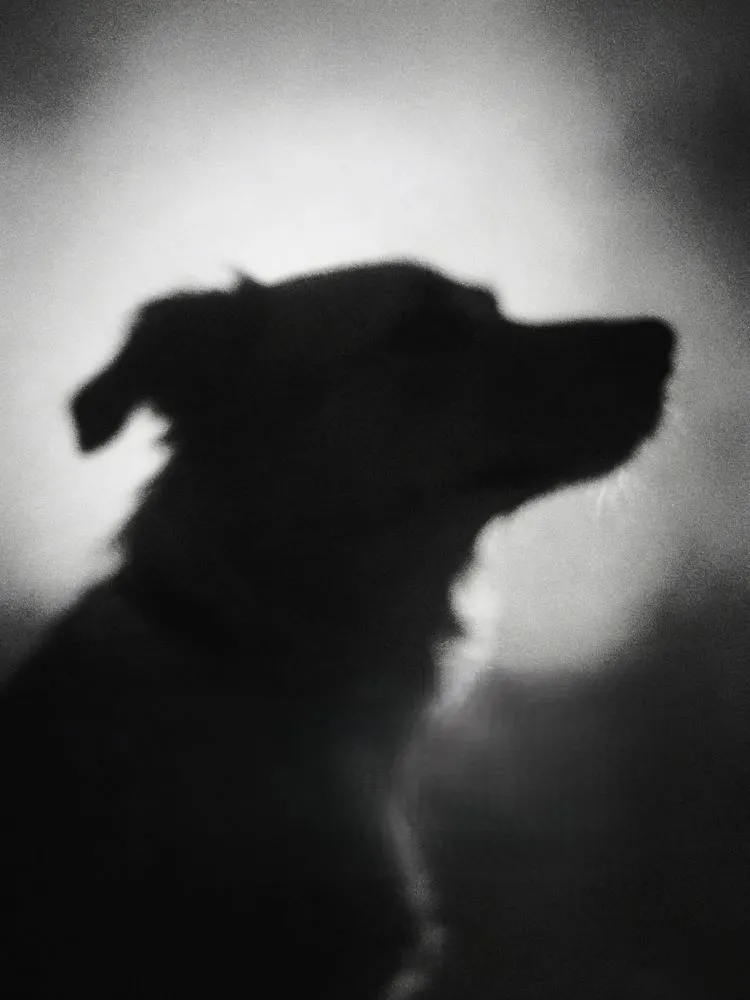
All of that is normal.
You loved them deeply. Of course your body and mind still reach for them.
But please do not let guilt become the only way you keep loving them. If part of your guilt is tied to the fear of life after this loss, this reflection on learning to live again after losing a beloved pet may also help.
Your pet would not want their memory to trap you in endless regret. They would not want the love between you to turn into a lifelong punishment. The bond was real. The loss is real too. But healing does not mean you loved them less. It means you are learning how to carry that love differently.
What “Pet Loss Grief” Can Feel Like
Many people are surprised by how intense pet grief can be. Some feel emotionally unsteady for weeks or months. For others, the grief lasts much longer and affects daily life in deeper ways.
Pet loss grief can show up in several forms:
Emotional symptoms
Sadness, shock, anger, anxiety, guilt, emptiness, and loneliness are all common. Some people also feel numb at first, then suddenly overwhelmed later. Others may experience hopelessness or a level of despair that scares them.
Social withdrawal
You may stop replying to people, avoid conversations, or pull away from places, routines, or friends that remind you of your pet. This is common, especially when you feel that other people do not fully understand your grief.
Physical and behavioral changes
Grief can affect the body as much as the heart. Some people struggle with sleep, lose their appetite, feel exhausted, find it hard to focus, or notice they are functioning poorly at work and in daily tasks.
Intense guilt
This is one of the most painful parts of pet loss. You may feel responsible for the death itself, or guilty about medical decisions, euthanasia, timing, or even the thought of one day loving another pet. Some people become so afraid of future pain that they tell themselves they should never have another animal again.
If these feelings are not acknowledged or supported, they can become heavier over time.
How to Cope With Guilt After Losing a Pet
There is no perfect way to heal, but there are gentle ways to move through this pain without getting stuck inside it.
Let yourself cry
If you need to cry, cry. Losing a beloved pet can be one of the deepest grief experiences in a person’s life. Your sadness does not need to be justified or hidden. Letting yourself feel it is not weakness. It is part of mourning.
Turn to faith, ritual, or spiritual comfort if that helps
For some people, prayer, church, temple visits, candles, blessings, or personal rituals bring real comfort. Even if you were not especially religious before, you may still find peace in doing something symbolic and loving for your pet. Ritual can give grief a place to go.
Choose a way to remember them
Write a letter. Keep a journal. Save favorite photos and videos. Make a small memorial corner at home. Hold onto one meaningful object. Memory needs somewhere gentle to live, and intentional remembrance can help shift grief away from pure regret. And if writing feels too hard right now, these pet memorial poems may offer words you can lean on.

Talk to people who understand
Do not isolate yourself completely. Reach out to someone who can listen without minimizing your pain—family, friends, a pet loss support group, or others who have loved and lost animals. Being understood matters. Grief becomes harder when you feel alone inside it.
Read a few good books about pet loss
Sometimes it helps to borrow language from people who understand this kind of grief. A thoughtful book can make your pain feel less isolating and give you a gentler way to process guilt, sadness, and remembrance. Some well-known options on Amazon include Grieving the Death of a Pet by Betty J. Carmack, The Hardest Goodbye: Navigating Pet Loss and Grief, and Good Grief: Finding Peace After Pet Loss. These kinds of books won’t erase the pain, but they can make it feel more bearable.
Seek professional help if the grief becomes too heavy
If your symptoms are severe, last for a long time, or begin to affect your safety, relationships, sleep, work, or ability to function, it may be time to speak with a therapist or grief counselor. There is no shame in needing help with a loss this profound.
You Did Not Love Them Wrong
I think one of the cruelest parts of pet grief is that love can make people turn against themselves.
The more deeply you cared, the more ways your mind will try to rewrite the ending. But love is not measured by whether you prevented death. Love is measured by how you showed up while they were here.
You fed them.
You stayed with them.
You learned their habits.
You worried about them.
You tried.
You loved them.
That matters.

So if you are carrying guilt after your pet died, please hear this clearly: you are allowed to grieve without condemning yourself forever.
Your pet is gone, but the love is not gone. It lives in your memories, in the tenderness you still carry, in the way you look at other animals now, and in the part of you that was changed by being loved by them.
Try, little by little, to forgive yourself.
Not because what happened does not hurt.
But because you deserve to keep living with their love, not only with your guilt.
Related Reading
- Why losing a pet hurts so much
- Learning to live again after losing a beloved pet
- Pet memorial poems
- Farewell quotes for a pet
- Catholic prayers for pet death
More Ways to Remember Your Pet
Also explore: Home | Pet Memorial Guide | Pet Loss Support