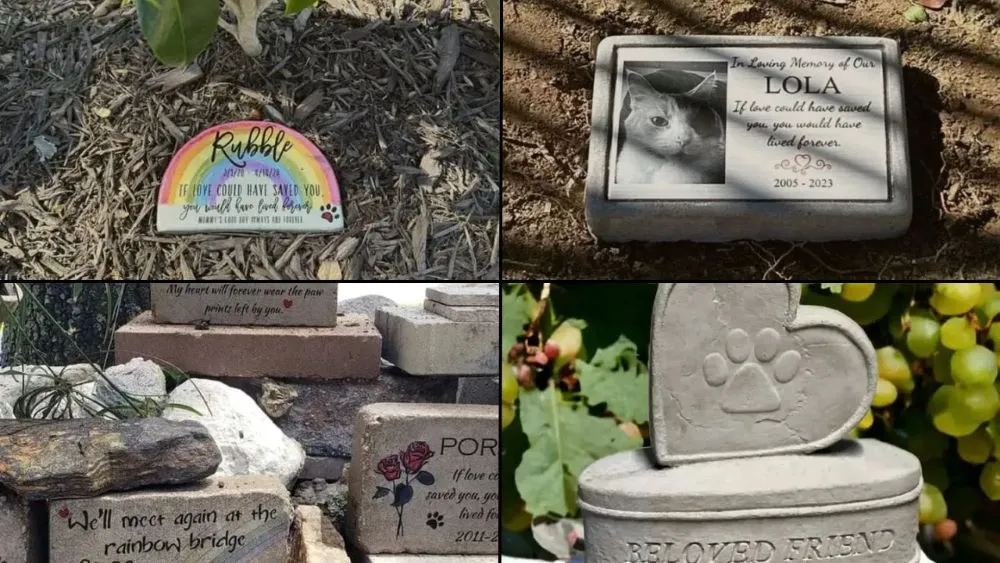
I didn’t think that the concrete memorial I made for my beagle, Benny, would be my favourite feature of the garden. It wasn’t elaborate; it was just a hand-poured slab with his name pressed in before the mix had set. The borders were a touch uneven. But that’s the thing with concrete: it never strives to be flawless. It just stays.
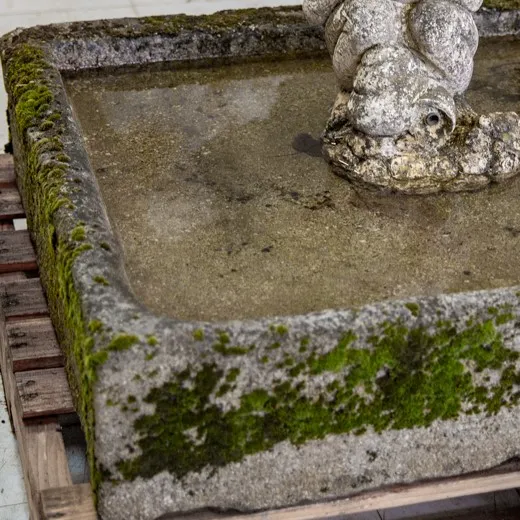
I’ve seen it change throughout the years. The rain left pale streaks, the letters were covered with moss, and the surface became softer in the sun. Granite seems to hold onto time, while concrete seems to let it go. That shows a type of quiet strength because it doesn’t lose its purpose when it has to deal with the weather, seasons, and small flaws.
A memorial stone made of concrete doesn’t need to be looked at. It’s humble, down-to-earth, and authentic, just like the dogs who used to follow us around on every walk. Concrete may be the most honest choice you can make if you want something that not only remembers but also belongs to the ground.
What Makes Concrete Different from Other Memorial Materials
I’ve worked with a few different materials over the years — granite, slate, resin, river rock — but none of them feel quite like concrete. Granite stands proud and glossy, almost too perfect. Slate carries a cool elegance, smooth and steady. Resin can shine under light, but it always feels like something made.
Concrete, on the other hand, feels grown. It’s earthy, porous, and quietly human — the kind of surface that remembers the hands that poured it. When you touch it, you feel both the craft and the weather that shaped it. It doesn’t resist nature; it blends into it.
While polished stones mirror the sky, concrete mirrors time. It changes with the rain, softens in the shade, and holds a bit of warmth at dusk. You don’t just see your pet’s name — you see how the world has gently folded it into the garden. That’s what makes it different: it doesn’t preserve memory apart from life; it lets memory live with life.
Real-World Durability: Tested by Time and Weather
I placed Benny’s concrete memorial at the edge of the garden — half under a maple tree, half under the open sky. It’s been there for almost four years now, through summer storms, autumn frost, and countless mornings of dew. The funny thing is, concrete doesn’t fight the weather; it learns from it. Every winter leaves a few hairline cracks, every spring brings a softer hue.
Unlike resin that fades or granite that stays untouched, concrete tells you where it’s been. When moss begins to grow along the edges, it doesn’t look ruined — it looks settled, like it’s found its rhythm with the earth. That’s the beauty of this material: its strength doesn’t come from resisting change, but from surviving it with grace.
| Finish Type | Look & Feel | Weather Resistance | Jake’s Notes |
|---|---|---|---|
| Unsealed Concrete | Raw and natural, blends beautifully with soil and moss. | ❄️ Moderate — absorbs water, may crack over time. | Mine developed fine lines after 2 winters, but it aged like driftwood — quietly beautiful. |
| Seal-Coated Concrete | Smooth and slightly glossy; color stays consistent. | 🌦️ High — repels moisture, resists frost damage. | Still looks new after 3 years, though it lost some of that soft, earthy charm. |
| Polished or Stained Concrete | Decorative, refined — can mimic marble or terracotta tones. | ☀️ High — color protected but surface scratches easily. | Beautiful for indoor memorial corners or covered patios, not ideal for open rain exposure. |

Concrete isn’t a forever-perfect material — but maybe that’s what makes it so right for remembrance. It changes slowly, the way grief does. One day you notice the cracks, and instead of wanting to fix them, you find comfort in how they hold everything together.
💬 Editor’s Note – Lena Chen
How Concrete Holds Up Next to Other Materials
I’ve worked with granite, resin, slate, and even river rocks before finally falling in love with concrete. Each material tells a slightly different story — some feel timeless, others feel intimate. Below is how concrete truly stands among them, not in lab tests, but in real gardens and changing weather.
| Material | Look & Feel | Weather & Aging | Jake’s Impression |
|---|---|---|---|
| Concrete | Matte, earthy, handmade; takes texture well. | Absorbs weather; hairline cracks & moss add character. Can be sealed for extra protection. | “Blends into the garden. Not perfect—honest. Mine feels more ‘Benny’ each year.” |
| Granite | Polished, formal, reflective; high contrast engraving. | Exceptional long-term durability; little visible change. | “Dignified and permanent, though a bit distant in feeling.” |
| Slate | Smooth, elegant, low-gloss; subtle monochrome vibes. | Stable outdoors; edges may flake slightly over time. | “Quiet beauty. Reads well in shade without glare.” |
| Resin | Lightweight, can mimic stone; accepts color & detail. | UV can fade/yellow; best under cover or indoors. | “Lovely for shelves or porches—too fragile for full sun.” |
| River Rock | Naturally rounded, organic—every piece unique. | Handles rain & frost well; lettering needs depth for legibility. | “Feels like it’s always belonged there—soft, natural presence.” |
| Photo Stones (UV / Laser / Inlay) | Highly personal—your pet’s image as focal point. | Durability varies: laser on granite lasts; UV color needs protection; ceramic inlay is most robust. | “Seeing their face again is powerful—choose method based on where it will live.” |
If you’re deciding which material feels “right,” don’t think in terms of better or worse. Granite stands for permanence, resin for lightness, slate for elegance — and concrete for honesty. The best memorial is the one that feels most like your pet’s spirit, not the one that resists the rain the longest.
💬 Editor’s Note – Lena Chen
Design Tips That Make the Stone Truly Meaningful
Concrete doesn’t need to be in the spotlight; it should be where time goes slowly.
I tried a dozen places before I found the right one for Benny’s stone — not in the middle of the grass, where everything looked too neat, but under the maple tree, where the leaves let in soft light. There, the surface catches both shade and sun, like a memory that comes and goes.
Here are a few things I’ve learned after years of watching how memorials settle into the landscape:
1. Think of their favorite resting spot.
If your pet loved napping under a tree or near the porch, that’s probably the best place for the stone too. Shade feels peaceful, while early sunlight brings quiet warmth.
2. Don’t aim for perfect symmetry.
A stone that tilts slightly or nestles into the grass often feels more natural than one placed in the exact center. Nature isn’t about straight lines.
3. Let nature take part.
Surround the stone with low plants like thyme, creeping moss, or small clover. Over time, they’ll soften the borders and make the memorial feel truly settled.
4. Mind the drainage.
Use a thin base of gravel or mulch beneath the stone to help water drain away. Concrete breathes better when it stays dry.
5. Accept the change.
As the seasons pass, roots will grow close, moss will appear, and tiny weeds might curl around the base. That’s not neglect — that’s belonging.
A beautiful memorial doesn’t separate life from loss. It lets both exist side by side — like concrete slowly learning to look like the earth it rests on.
Editor’s Picks: Real Concrete Memorial Stones
Resting Dog Garden Statue


Heart & Paw Concrete Keepsake

Hand-Cast Concrete Heart Plaque – “Forever Loved”


Hand-Painted Concrete Name Plaque

Personalized Concrete Brick Memorials


Half-Round Rainbow Stone


Photo Concrete Plaque (Laser Printed)


FAQ
Minor hairline cracks are normal — they’re part of how concrete breathes with the weather. As long as the base is even and water doesn’t pool underneath, the stone will remain strong for years. A light sealant can help protect against moisture without losing the natural look.
Yes, but moderation is key. Use a breathable outdoor concrete sealant once a year to reduce water absorption. If you’d like to add color, choose weather-resistant mineral or acrylic paints — they fade softly instead of peeling.
Avoid flat, soggy soil. A slightly raised area with firm ground or gravel underneath works best. Placing it near shade or light foliage also helps balance temperature changes and prevents quick weathering.
You can engrave names and dates, press paw prints or lettering into wet cement, or attach a small metal plaque later. Many people also embed a stone chip, flower petal, or collar tag before the mix hardens — small details that turn it from stone into story.
Absolutely. Concrete’s neutral tone makes it fit naturally for dogs, cats, horses, or even birds. Its weight keeps it steady outdoors, while its handmade feel makes it easy to shape for smaller memorials too.
Skip harsh cleaners. Use gentle soap, a soft brush, and water once or twice a year. Let moss or patina form naturally if you like the aged look — that’s often what gives concrete its quiet charm.